- 登录功能依赖cookie,必须用浏览器来联调
- cookie跨域不共享的,前端和server端必须同域
- 需要用到nginx做带来,让前后端同域
# 开发前端网页
后端和前端同时启动项目,因为端口的不同,会产生跨域的问题。
前端启动服务:
先安装 http-server 用于启动服务器
yarn global add http-server
然后在前端所在文件夹设置一个端口启动:
http-server -p 8001
效果如下
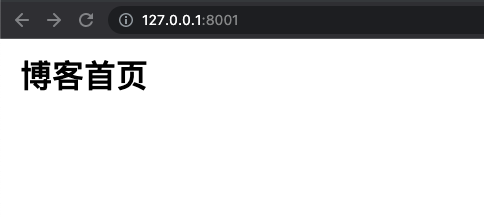
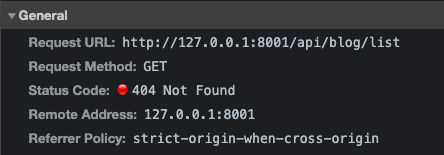
但是是请求不到博客列表的,因为端口不同(我的后端端口为 8000),因此 cookie 也不能携带过去。
# NGINX 解决跨域
- 高性能的 web 服务器,开源免费
- 一般用于静态服务、负载均衡
- 反向代理
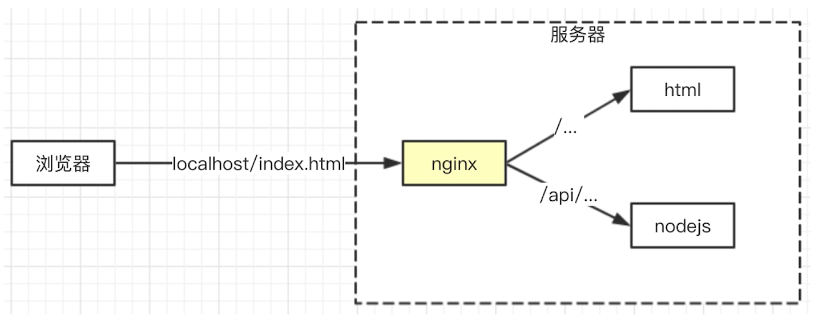
反向代理是对客户端不可见的代理。与反向代理相反的是正向代理,即客户端能控制的代理,例如,公司的内网需要下载相关代理,浏览器才能访问到。
nginx 根据请求的不同,代理到不同的地方。
# nginx 安装
windows 用户在官网上安装
mac 用户使用 homebrew: brew install nginx
nginx 默认配置文件
Windows: C:\nginx\conf\nginx.conf
Mac: /usr/local/etc/nginx/nginx.conf
nginx 命令
测试配置文件格式是否正确: nginx -t
启动 nginx: nginx
重启 nginx:nginx -s reload
停止 nginx:nginx -s stop
代理配置
server {
	listen       8080;
	server_name  localhost;

	#charset koi8-r;

	#access_log  logs/host.access.log  main;

	# 静态文件端口
	location / {
		proxy_pass http://localhost:8001;
	}

	# 服务器端口
	location /api/ {
		proxy_pass http://localhost:8000;
		proxy_set_header Host $host;
	}
}
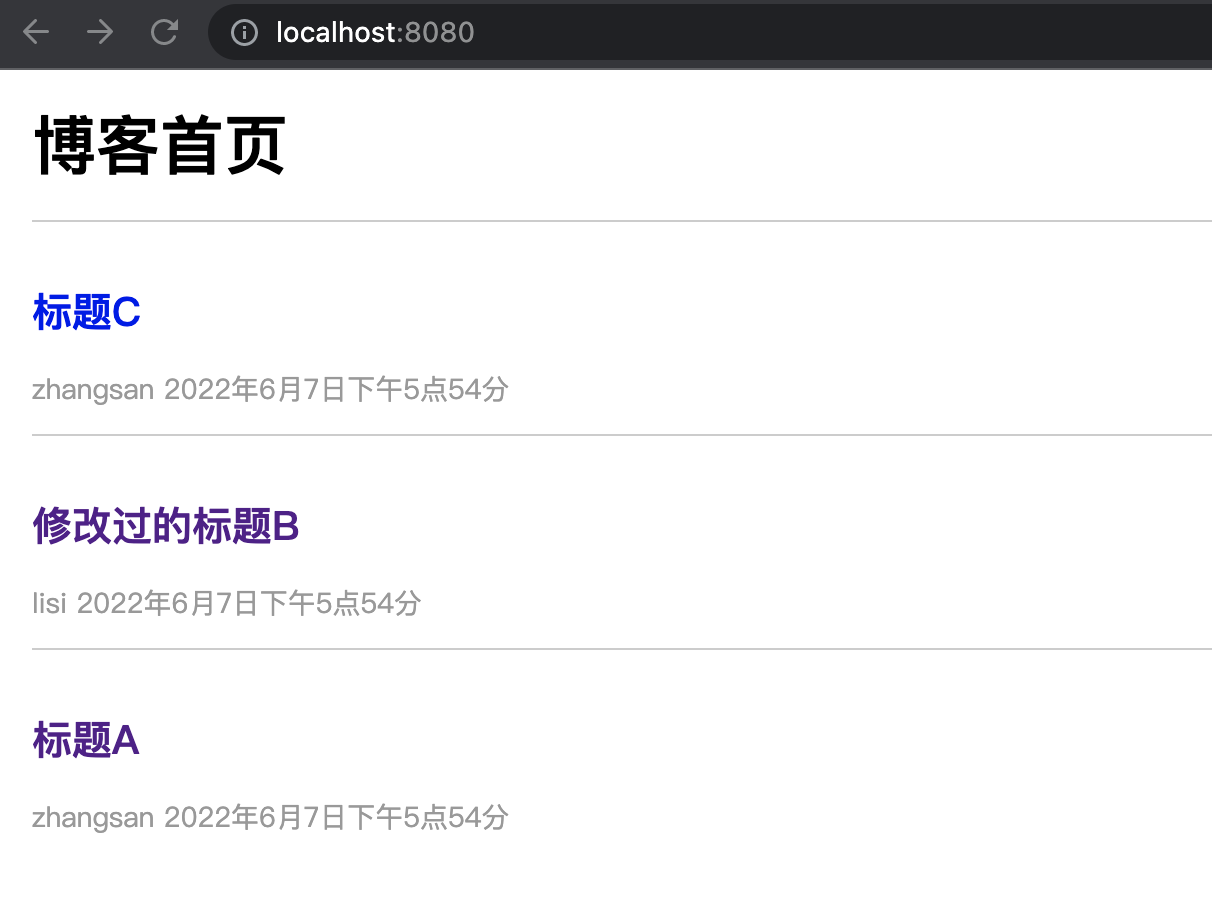
直接看内容还是很好理解的。nginx 服务器访问的端口为 8080。当接到根目录,就代理到 8001 端口下,接到 /api/ 路径,则代理到 8000 端口。
代理配置完后即可看到效果,跨域成功解决:
session存入redis (opens new window)
# 总结
admin问题
// src/router/blog.js
const {
	getList,
	getDetail,
	newBlog,
	updateBlog,
	delBlog,
} = require('../controller/blog')
const { SuccessModel, ErrorModel } = require('../model/resModel')

// 统一的登录验证函数
const loginCheck = (req) => {
	if (!req.session.username) {
		return Promise.resolve(new ErrorModel('尚未登录'))
	}
}

const hanldeBlogRouter = (req, res) => {
	const method = req.method
	let id = req.query.id
	// 获取博客列表
	if (method === 'GET' && req.path === '/api/blog/list') {
		let author = req.query.author || ''
		const keyword = req.query.keyword || ''
		// const listData = getList(author, keywords)
		// return new SuccessModel(listData)

		if (req.query.isadmin) {
			// 管理员界面
			const loginCheckResult = loginCheck(req)
			if (loginCheckResult) {
				// 未登录
				return loginCheckResult
			}
			// 强制查询自己的博客
			author = res.session.username
		}

		const result = getList(author, keyword)
		return result.then((listData) => {
			return new SuccessModel(listData)
		})
	}

	// 获取博客详情
	if (method === 'GET' && req.path === '/api/blog/detail') {
		// const data = getDetail(id)
		// return new SuccessModel(data)
		const result = getDetail(id)
		return result.then((data) => {
			return new SuccessModel(data)
		})
	}
	// 新建一篇博客
	if (method === 'POST' && req.path === '/api/blog/new') {
		// const data = newBlog(req.body)
		// return new SuccessModel(data)
		const loginCheckResult = loginCheck(req)
		if (loginCheckResult) {
			// 未登录
			return loginCheckResult
		}

		req.body.author = req.session.username
		const result = newBlog(req.body)
		return result.then((data) => {
			return new SuccessModel(data)
		})
	}
	// 更新一篇博客
	if (method === 'POST' && req.path === '/api/blog/update') {
		const loginCheckResult = loginCheck(req)
		if (loginCheckResult) {
			// 未登录
			return loginCheckResult
		}
		const result = updateBlog(id, req.body)
		return result.then((val) => {
			if (val) {
				return new SuccessModel()
			} else {
				return new ErrorModel('更新失败')
			}
		})
	}
	// 删除一篇博客
	if (method === 'POST' && req.path === '/api/blog/del') {
		const loginCheckResult = loginCheck(req)
		if (loginCheckResult) {
			// 未登录
			return loginCheckResult
		}
		const author = req.session.username
		const result = delBlog(id, author)
		return result.then((val) => {
			if (val) {
				return new SuccessModel()
			} else {
				return new ErrorModel('删除博客失败')
			}
		})
	}
}
module.exports = hanldeBlogRouter
cookie是什么?session是什么?如何实现登录?
redis在这里扮演什么角色,有什么核心的价值?
nginx的反向代理,联调过程中的作用?
← 博客项目之登录-登录验证 博客项目之日志 →